Texas Cowboy: A Bold Vintage Blackletter Font for Editorial Design
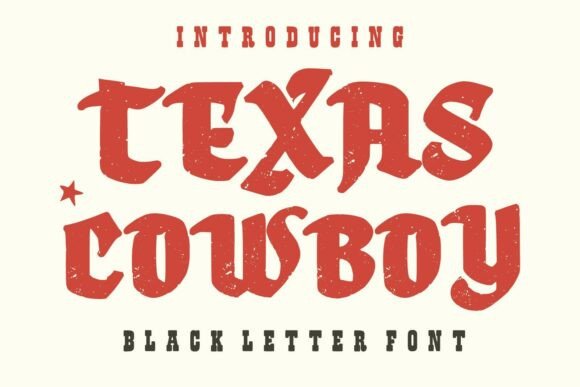
As an editorial designer who crafts blog layouts, digital magazines, and printable workbooks for independent creators, I reach for Texas Cowboy when a project needs unmistakable character — not just visual flair, but narrative weight. Texas Cowboy is a bold vintage blackletter display font inspired by classic western typography and old saloon signage. Its rough textured details and strong decorative strokes don’t merely decorate; they signal tone, place, and intention before a single word is read. This isn’t a workhorse body font — it’s a deliberate typographic decision, rooted in the Blackletter tradition but sharpened for modern publishing contexts where authenticity and atmosphere matter.
Texas Cowboy for Magazine Covers and Print-First Editorial Branding
When designing a quarterly lifestyle magazine or a regional culture zine, cover typography must do three things at once: anchor the publication’s identity, evoke its subject matter, and stand out on crowded newsstands or digital thumbnails. Texas Cowboy delivers that triple impact. Its thick, chiseled strokes and weathered texture communicate grit, heritage, and storytelling — ideal for titles like “High Plains Review,” “Dust & Denim,” or “Texas Monthly Special Edition.” Because it’s a Blackletter with intentional imperfection, it avoids sterile retro clichés. Use it for main titles only — never body copy — and pair it with a robust serif (like Adobe Text or Lyon) for subheads and captions to ensure legibility and tonal balance. For print workflows, confirm your PDF export preserves embedded glyphs and that the font renders cleanly at 300 dpi — especially important for letterpress-inspired covers or foil-stamped printables.
Texas Cowboy for Ebook Titles and Chapter Openers in Digital Publications
In ebooks — whether fiction anthologies, coaching workbooks, or regional history guides — first impressions are made in the cover thumbnail and chapter transitions. Texas Cowboy excels as a title treatment in EPUB and fixed-layout PDF exports because its high-contrast forms scale well across devices. On mobile, its boldness reads clearly even at smaller sizes; on desktop, its texture adds richness without sacrificing clarity. Try it for chapter openers paired with a clean sans serif (e.g., Inter or Söhne) for body text — this contrast reinforces hierarchy while keeping reading comfortable. Note: Texas Cowboy is a display Fonts family, so avoid using it for more than two lines of text per spread. Its personality shines brightest when given breathing room.
Texas Cowboy for Newsletter Headers and Social Media Quote Graphics
For newsletter designers and content creators building audience trust through consistent visual language, Texas Cowboy strengthens brand recall. Apply it to header banners, “Featured This Week” callouts, or pull-quote graphics shared across Instagram and Pinterest. Its saloon-signage roots make it unexpectedly versatile — it feels at home in a rustic recipe newsletter (“Smoke & Spice Weekly”), a Texas-based small business guide, or even a vintage-inspired wedding planning series. Just remember: always convert text to outlines before exporting social assets, and test rendering across platforms. Some email clients limit custom font embedding, so use Texas Cowboy for image-based headers only — never live text in HTML email bodies.
Texas Cowboy for Printable Guides, Workbooks, and Lead Magnets
If you create downloadable resources — think seasonal planners, self-publishing checklists, or regional travel workbooks — Texas Cowboy adds tactile credibility. Its rough texture mimics hand-painted signage, suggesting craftsmanship and care. Use it sparingly: section dividers, cover titles, and “Tip” or “Warning” callout boxes benefit most. For worksheets requiring user handwriting, avoid Texas Cowboy in input fields or lined sections — stick to highly legible sans serifs there. When licensing, verify your Fonts license permits commercial use in editable PDFs and templates. Most premium Blackletter fonts like Texas Cowboy include standard desktop and web licenses, but extended rights are required for resale in Canva templates or Notion workspace kits.
Texas Cowboy for Wedding Invitations and Lifestyle Branding Kits
Despite its rugged origins, Texas Cowboy carries surprising elegance — especially in lowercase alternates or ligature-rich settings. It’s become a quiet favorite among stationery designers crafting invitations for ranch weddings, Hill Country retreats, or heritage-themed celebrations. Paired with a delicate serif (think Mrs Eaves or Tiempos Headline), Texas Cowboy balances drama and dignity. In branding kits for lifestyle blogs or boutique services, it works powerfully in logo lockups, social bios, and print-on-demand merch — but only where short-form impact matters. Never use it for long paragraphs, navigation menus, or accessibility-critical UI elements.
Texas Cowboy Paired With Readable Serif and Sans Serif Fonts for Editorial Layouts
A common mistake with expressive Blackletter fonts like Texas Cowboy is overcommitting to theme at the expense of function. Editorial design succeeds when voice and utility coexist. That means pairing Texas Cowboy intentionally: use it for primary headlines, then choose a highly readable serif (e.g., Charter or Adobe Caslon) for body copy in print or long-form blogs. For digital-first newsletters or ebook interiors, lean into a neutral sans serif (like Poppins or Manrope) for captions, sidebars, and interface labels. Check whether Texas Cowboy includes stylistic sets — many premium Fonts offer alternate characters, swashes, or condensed variants that expand layout flexibility without switching families.
Texas Cowboy for Content Creators Licensing Fonts for Client Projects and Digital Products
If you design templates, sell Notion workspaces, or produce client-branded ebooks, licensing clarity is non-negotiable. Texas Cowboy is a commercial Fonts asset — but standard licenses typically cover personal use, client deliverables (e.g., a one-off magazine layout), and internal brand materials. They do *not* cover resale in editable templates, SaaS integrations, or white-labeled digital products. Always review the End User License Agreement before bundling Texas Cowboy into a Canva template shop item or a paid course workbook. When in doubt, contact the foundry directly. Investing in properly licensed Blackletter typefaces like Texas Cowboy protects your reputation and ensures your editorial work carries the authority it deserves.